
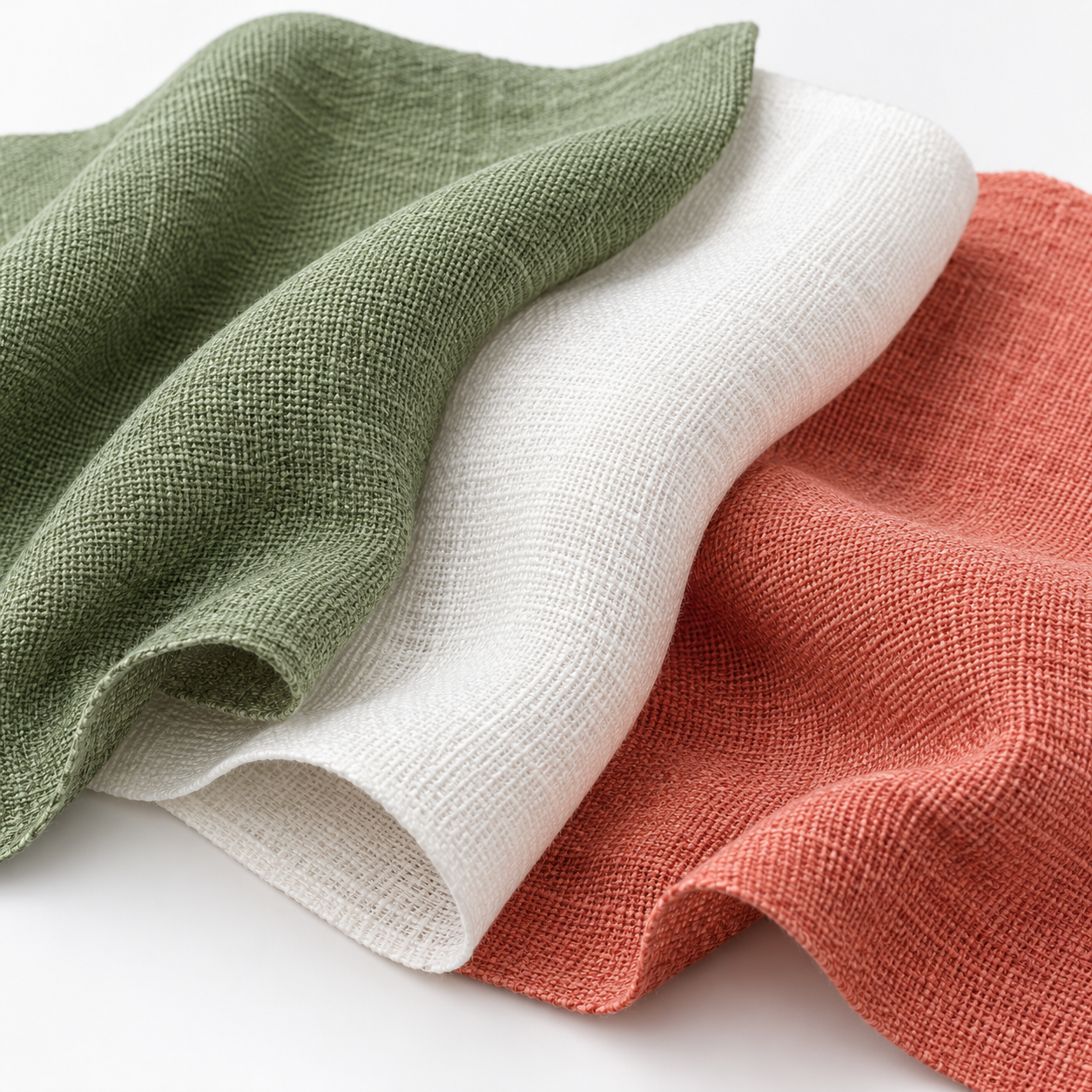
 AI示意图
AI示意图AI示意图,非新闻现场或商品实拍。
The largest workwear fabric producer in South America is replacing capacity expansion with equipment upgrades, and that signal deserves more attention from Chinese fabric mills than any single export figure. After more than 150 years in business, Cedro Têxtil has chosen not to build new lines but to direct capital expenditure toward modernizing its existing production facilities, working with German textile machinery maker Brückner. The investment direction of a century-old company often reflects industry expectations more accurately than the expansion plans of newer entrants.
Background
Headquartered in Brazil, Cedro Têxtil is widely recognized as Latin America's largest manufacturer of workwear fabrics, serving occupational protection and industrial textile segments. Its 150-plus-year history means the company has weathered multiple industry cycles, and its judgment on overcapacity and demand volatility tends to be cautious.
The modernization effort centers on three priorities: production efficiency, sustainability, and product quality. These are not isolated goals but interlocking ones. Energy efficiency directly lowers unit energy costs, sustainability metrics affect eligibility for international supply chains, and quality consistency determines whether the company can defend a premium in the mid-to-high-end workwear segment.
Notably, Brückner is a representative German supplier of finishing and drying equipment, typically deployed in fabric finishing. This means Cedro's investment lands not in spinning or weaving but in finishing, the stage that determines hand feel, dimensional stability, and functionality. For workwear fabrics, finishing quality is directly tied to protective performance and service life, making it a critical step in customer audits and certification.
Industry Impact
The competitive logic of Latin American textiles is shifting. Over the past decade, fabric suppliers in the region relied mainly on labor costs and regional trade agreements to win orders. As Asian capacity continues to penetrate and European and American buyers tighten carbon footprint requirements, pure price advantage is no longer enough to retain customers. Cedro's decision to upgrade finishing equipment now is essentially positioning for the next round of access rules.
For Chinese fabric exporters, this shift transmits through two channels. The first is price expectation: if the Latin American leader narrows the energy efficiency gap with Asian mills, its room to cut prices will shrink, weakening the low-price leverage of Chinese suppliers. The second is technical barriers: when regional leaders use sustainability and quality consistency as selling points, buyers will introduce more non-price criteria into comparisons, and certification costs for smaller exporters will rise passively.
On the equipment side, European textile machinery makers continue to win Latin American orders, confirming that the region's technical upgrading demand is real and backed by purchasing power. This contrasts with some emerging markets where upgrading intent remains at the planning stage. For Chinese textile machinery companies, there is substitution potential in Latin America's finishing equipment market, but it requires matching local energy consumption and emission compliance requirements.
Workwear fabric is distinctive because its end customers are typically corporate buyers in industrial, construction, and energy sectors, far more sensitive to product consistency and protective certification than fashion fabric buyers. This means competition in the category will not devolve into a pure speed race but will return to equipment precision, process stability, and certification completeness. Cedro's investment direction confirms exactly this judgment.